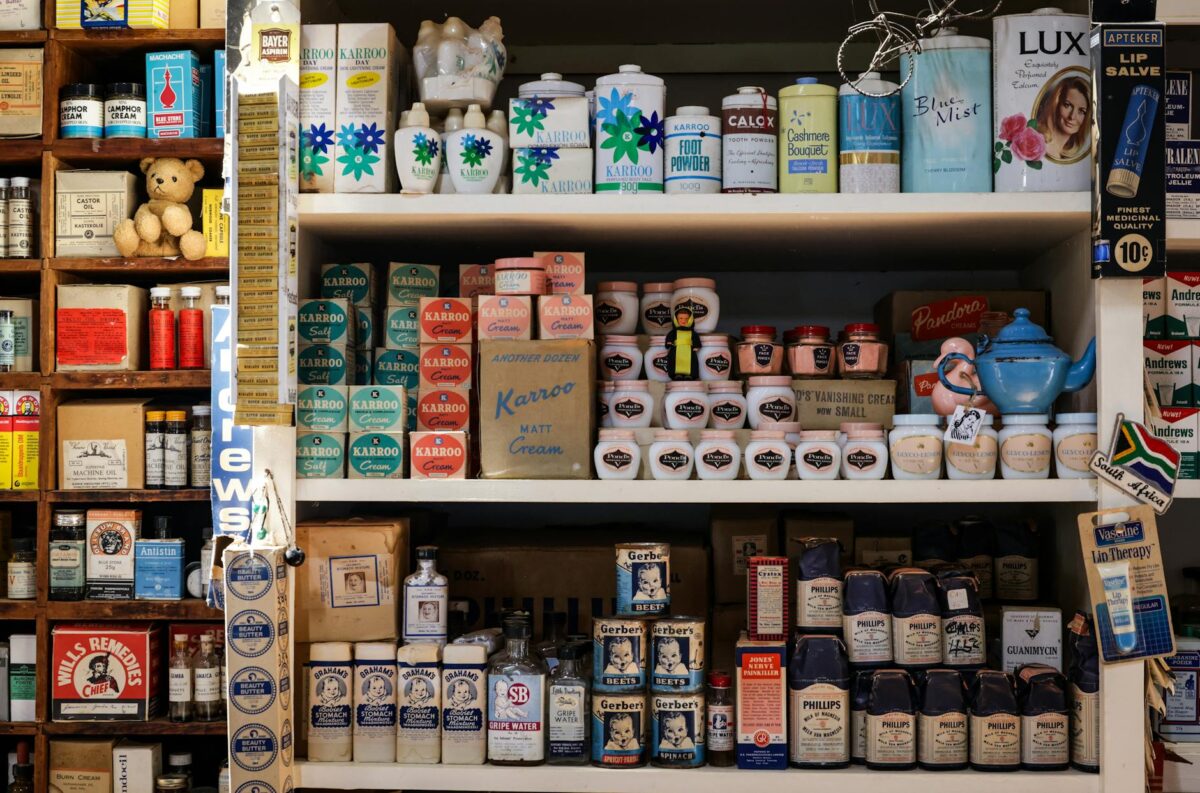
Generic vs name brand groceries is a debate that plays out in every shopping cart across America. Families spend over $1,000 per month on food in 2026. Prices remain stubbornly high on every aisle. However, one of the easiest ways to cut that bill is choosing store brands over national labels. Switching to generics can save 25% to 50% on many items. The real question is whether those savings cost you quality or taste. This guide breaks down what’s truly worth the splurge and where generic wins every time.
What Are Generic (Store Brand) Groceries?
Generic groceries are products sold under a retailer’s private label. You’ll find names like Great Value at Walmart, Kirkland Signature at Costco, and Good & Gather at Target. These items sit right alongside their name-brand competitors on the shelf. They typically cost 25% to 75% less than the equivalent branded product.
Here’s the surprising truth about generic vs name brand groceries. Many store-brand products come from the exact same factories as national labels. The same production lines, ingredients, and quality controls apply. Only the packaging changes. The FDA requires identical food safety standards for both types. Similarly, USDA-regulated items like dairy and meat follow the same inspection rules regardless of the label on the front.
Store brands have evolved far beyond plain white packaging. Today’s private-label lines often include premium tiers and organic options. Costco’s Kirkland Signature regularly outperforms national brands in blind taste tests. In 2026 testing, several major store brands beat well-known national labels across multiple product categories. Retailers now invest heavily in quality because their reputation rides on every item they sell.
What Are Name Brand Groceries?
Name brand groceries come from nationally recognized companies. Think Coca-Cola, Kellogg’s, Tide, and Kraft. These corporations spend billions each year on research, development, and advertising. That enormous marketing budget gets baked into every price tag you see at the store.
On the other hand, name brands offer remarkable consistency. You know exactly what a box of Cheerios tastes like every single time. That predictability has real value for busy families. Major brands also invest in proprietary recipes and unique formulations. Some products have distinct flavors that store brands simply cannot replicate no matter how hard they try.
Name brands also lead the way in product innovation. New flavors, improved formulas, and specialty items usually debut under national labels first. While store brands eventually follow with similar versions, there’s often a noticeable lag. If you want the latest offerings on the market, name brands deliver them months or even years sooner.
Generic Vs Name Brand Groceries — Side by Side
| Feature | Generic / Store Brand | Name Brand |
|---|---|---|
| Average Price | 25% to 50% less than name brand | Full retail price |
| Quality Standards | Same FDA and USDA requirements | Same FDA and USDA requirements |
| Manufacturing | Often same factory as name brands | Proprietary or contracted facilities |
| Taste Consistency | Varies by category and retailer | Highly consistent across purchases |
| Product Innovation | Follows trends with a delay | Leads new product development |
| Ingredient Transparency | Same labeling laws apply | Same labeling laws apply |
| Coupon Availability | Rare — lower base price instead | Frequent manufacturer coupons |
| Loyalty Programs | Tied to store rewards cards | Individual brand reward apps |
| Best Categories | Dairy, pantry staples, frozen produce | Sodas, snack chips, condiments |
| Annual Savings Potential | $1,500 to $3,000 per household | Limited without heavy couponing |
The most revealing part of this generic vs name brand groceries comparison is the price gap. Store-brand whole milk averages 61% cheaper than national brands. Generic ketchup saves shoppers about 67%. Cereal can run nearly 70% less at retailers like Walmart. At Publix, store-brand staples averaged $18.31 compared to $29.23 for name brands. That’s a 46% savings on the same shopping list.
In contrast, name brands justify their premium in categories with proprietary formulas. Coca-Cola tastes nothing like store-brand cola. Oreos and Doritos have signature flavor profiles that generics struggle to match. For basic ingredients like flour, sugar, and salt, there is zero functional difference between generic and branded versions.
When to Choose Generic Groceries
The generic vs name brand groceries debate becomes an easy call for single-ingredient staples. Sugar is sugar. Salt is salt. Flour is flour. Professional chefs overwhelmingly buy generic versions of these basics. You’re paying extra only for fancier packaging with the branded version. The product inside is chemically identical.
Dairy products are another clear win for generics. Store-brand milk comes from the same dairies as name brands. Federal pasteurization standards are identical regardless of the label. The same applies to butter, cream cheese, and sour cream. Switching to store-brand staples at Publix saved shoppers 46% on average in recent comparisons.
Frozen fruits and vegetables also strongly favor store brands. The produce is picked, flash-frozen, and packaged by the same handful of processors. Going generic saves roughly 30% per bag with no quality trade-off. While you’re cutting your grocery bill, consider stacking coupons and cashback offers to stretch your budget even further. You can also grab free samples to test new store brands before you commit to full-size purchases.
When to Choose Name Brand Groceries
The generic vs name brand groceries equation shifts when taste is the top priority. Soft drinks are the clearest example. Coca-Cola and Pepsi spent decades perfecting proprietary formulas. No store brand has cracked them yet. If you’re loyal to a specific soda, the generic version will taste noticeably different every time.
Snack foods follow the same pattern. Doritos, Cheez-Its, and Oreos have complex flavor profiles built over years of refinement. Store brands get close but rarely match exactly. Unlike staples where the product is chemically identical, these items rely on proprietary blends that generics cannot legally replicate.
Olive oil is another category where brand reputation matters. Fraud is widespread in the olive oil market worldwide. Trusted name brands offer more reliable sourcing and purity testing. When quality directly affects your cooking results, the premium price is justified. Check our shopping guides for more category-specific advice on exactly where to save and where to splurge.
🔥 Get Free Deal Alerts
Free · No spam · Unsubscribe anytime
Can You Use Both Strategies Together?
Absolutely. The smartest approach to generic vs name brand groceries is a hybrid strategy. Buy generic for everyday basics and name brand for your household favorites. This is how experienced shoppers save thousands each year without sacrificing the specific products they love most.
Start by switching your pantry staples to store brand. Flour, sugar, rice, canned tomatoes, and frozen vegetables are all safe bets. Then keep buying name brand for the items where taste matters most to your family. The FTC recommends comparing unit prices as the most reliable way to evaluate grocery value regardless of brand.
You can stretch those savings even further by pairing store brands with cashback apps. Many popular rewards and cashback apps work with products from either side of the aisle. Similarly, smart online shopping strategies help when ordering groceries for delivery or curbside pickup. Small savings on each item add up to serious money over a full year.
Our Verdict: Generic Vs Name Brand Groceries
The generic vs name brand groceries debate has a clear winner for most of your cart in 2026. Store brands deliver equal quality at dramatically lower prices for the vast majority of everyday items. A typical family can save $1,500 to $3,000 per year by switching staples to generic. Those savings compound fast over time.
However, brand loyalty earns its place in certain aisles. Keep buying name brand for sodas, specialty snacks, signature condiments, and olive oil. These categories have real taste differences that matter to most shoppers. The key is being strategic and intentional rather than automatic about every single purchase.
Here is the bottom line on generic vs name brand groceries. Use store brands if you want to slash your grocery bill without losing quality on everyday staples. Use name brands if taste consistency matters for specific products your family refuses to give up. For more ways to save on household purchases, explore our full library of product comparisons and start keeping more money in your pocket today.
Frequently Asked Questions
Are generic groceries made in the same factories as name brands?
Yes, many of them are. Major manufacturers produce both national and store-brand products on the same production lines. Kroger-brand cereal, for example, is made by the same companies behind the well-known national versions. While recipes may differ slightly in some cases, quality standards and food safety regulations are identical for both.
How much money can you actually save with generic vs name brand groceries?
Savings range from 25% to 70% depending on the product category. Dairy and frozen foods offer the biggest discounts. A family spending $250 per week on groceries could save $60 to $100 weekly by switching staples to store brand. That adds up to over $3,000 per year in real savings.
Which generic groceries should you always avoid buying?
Skip generic versions of sodas, specialty snack chips, and olive oil. These products rely on proprietary formulas or careful sourcing that generics rarely match. In contrast, dairy products, baking staples, frozen produce, and canned goods are almost always safe to buy generic. Try the store brand once before committing to a permanent switch on any product.
Discover More Savings Comparisons
The best shoppers compare their options before committing. Browse our full library of side-by-side comparisons to find what works for you.
How We Review
Deal Drop Today independently researches every app and service we review. We verify cashback rates, payout thresholds, and user ratings directly from official sources and app store listings. We are not sponsored by any app or service listed on this page.
Information current as of May 2026. App features and rates can change. Visit each app’s official website for the most current details.
For consumer protection information, visit consumer.ftc.gov.