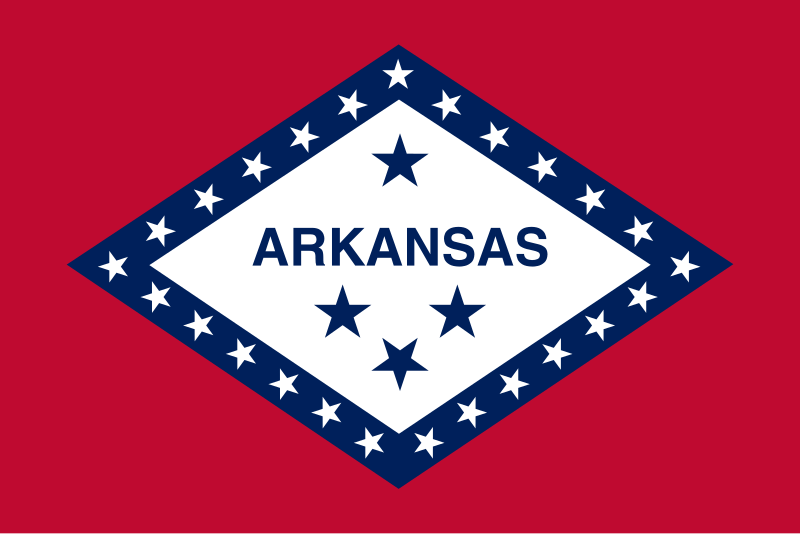
Arkansas sales tax can add a significant amount to your shopping bill. The state charges a 6.50% base rate on most purchases. However, local cities and counties stack their own taxes on top. As a result, Arkansas shoppers pay an average combined rate of 9.47%. That ranks among the top five highest in the entire country. Understanding how Arkansas sales tax works helps you plan smarter purchases and keep more money in your wallet. This guide breaks down everything Arkansas shoppers need to know in 2026.
Arkansas Sales Tax Rate: The Basics
The base Arkansas sales tax rate is 6.50%. Local jurisdictions add an average of 2.97% on top of that. The combined average reaches 9.47% statewide. Some areas charge even more. Specifically, the city of Gillham has the highest combined rate at 12.625%. For comparison, the national average combined rate sits around 7.28%. Arkansas easily exceeds that figure. Before you head to the checkout, check the rate for your specific city or ZIP code.
| Tax Component | Rate |
|---|---|
| Arkansas State Sales Tax | 6.50% |
| Average Local Tax (City + County) | 2.97% |
| Average Combined Rate | 9.47% |
| Highest Possible Combined Rate | 12.625% |
What Arkansas Does and Does Not Tax
Arkansas sales tax does not apply equally to everything you buy. Some everyday essentials get a break. As of January 1, 2026, Arkansas fully eliminated its state-level tax on groceries. This was a big win for shoppers. However, local taxes on groceries still apply. Prepared foods like restaurant meals and deli items remain fully taxable. Soft drinks and candy are also taxed at the full rate.
Prescription medications are completely exempt from Arkansas sales tax. That includes both state and local portions. However, over-the-counter drugs like pain relievers and cold medicine are fully taxable. Clothing is also fully taxable at the combined rate. There is no permanent clothing exemption in Arkansas. In addition, most general merchandise and electronics carry the full tax burden.
| Category | Taxed? | Details |
|---|---|---|
| Groceries (staple foods) | Local tax only | State tax eliminated Jan 2026; local taxes still apply |
| Prepared Food / Restaurant Meals | Yes — full rate | State + local taxes apply |
| Soft Drinks and Candy | Yes — full rate | Not considered staple groceries |
| Clothing | Yes — full rate | Exempt only during tax holiday (under $100) |
| Prescription Drugs | No — exempt | Fully exempt from all sales tax |
| Over-the-Counter Medicine | Yes — full rate | Taxed at state + local rates |
| Electronics and Appliances | Yes — full rate | Exempt only during tax holiday (computers under $1,000) |
| Durable Medical Equipment | No — exempt | Glucose monitors, apnea machines, etc. |
Arkansas Sales Tax by City and County
Local rates vary dramatically across Arkansas. Your total Arkansas sales tax depends on exactly where you shop. A purchase in Little Rock costs less in tax than the same item in Fayetteville. Some cities add up to 3% in local taxes. In addition, special taxing districts can push rates even higher in certain ZIP codes. Always check the combined rate for your specific location before making big purchases.
| City | Combined Sales Tax Rate |
|---|---|
| Little Rock | 8.625% |
| Jonesboro | 9.80% |
| Fort Smith | 9.50% |
| Conway | 9.125% |
| Pine Bluff | 9.375% |
| Hot Springs | 9.50% |
| Fayetteville | 9.75% |
| Rogers | 9.50% |
| Bentonville | 9.50% |
| Springdale | 10.30% |
Springdale has one of the highest combined rates among major cities. It spans two counties, which adds complexity. For example, shoppers in certain Springdale ZIP codes can pay over 10.75%. Little Rock offers the lowest combined rate among major metros at 8.625%. If you live near a city border, shopping a few miles away could save you real money on expensive items.
Arkansas Sales Tax Holidays
Arkansas holds an annual back-to-school sales tax holiday each August. For 2026, the tax-free weekend falls on Saturday, August 1 through Sunday, August 2. During this window, both state and local Arkansas sales tax are waived on qualifying items. The holiday also applies to online purchases made during those dates. This is one of the best times to buy school supplies and clothing in Arkansas.
Qualifying items have specific price limits. Clothing must be under $100 per item. Clothing accessories must be under $50. Computers and tablets qualify if priced under $1,000. School supplies like backpacks, paper, binders, and pencils are also included. However, items priced above the threshold remain fully taxable. For example, a $110 jacket would not qualify. Plan your back-to-school shopping around this weekend to maximize savings.
| Category | Price Limit | Tax-Free? |
|---|---|---|
| Clothing | Under $100 per item | Yes |
| Clothing Accessories | Under $50 per item | Yes |
| School Supplies | No specific limit | Yes |
| School Art Supplies | No specific limit | Yes |
| Computers and Tablets | Under $1,000 | Yes |
Online Shopping and Arkansas Sales Tax
Arkansas is a destination-based tax state. That means the Arkansas sales tax you pay online is based on your shipping address. It does not matter where the seller is located. Amazon, Walmart.com, eBay, and other major retailers all collect Arkansas sales tax automatically at checkout. Your combined local rate applies to online orders just like in-store purchases.
Out-of-state sellers must collect Arkansas sales tax if they exceed $100,000 in sales or 200 transactions in the state. As a result, most online retailers you shop with already collect the correct tax. Arkansas is also a member of the Streamlined Sales Tax Agreement. This makes compliance easier for sellers and more consistent for shoppers. You can use coupon stacking strategies and cashback apps to offset some of that tax burden on online purchases.
Smart Shopping Tips for Arkansas
1. Stock up during the tax holiday. The August back-to-school weekend waives all state and local tax. Buy clothing, electronics, and school supplies during this window. A $500 laptop purchase in Fayetteville saves you nearly $49 in tax. That is real money back in your pocket.
🔥 Get Free Deal Alerts
Free · No spam · Unsubscribe anytime
2. Shop in lower-tax cities when possible. Little Rock’s 8.625% combined rate is significantly lower than Springdale’s 10.30%. For big-ticket items, the difference adds up fast. Specifically, a $1,000 appliance costs $16.75 less in tax in Little Rock than in Springdale. Check our shopping guides for more location-based savings strategies.
3. Take advantage of the grocery tax cut. Since January 2026, the state eliminated its tax on staple groceries. You still pay local tax, but the savings are meaningful over time. Focus your grocery budget on qualifying staple foods like meat, produce, bread, and eggs. Prepared foods and candy remain fully taxed.
4. Use cashback apps on every purchase. Arkansas sales tax rates are among the highest in the nation. Offset that cost with cashback apps and browser extensions. Earning 2-5% back on purchases helps counteract the 9-10% tax you are paying. Read our guide to saving money online for the best tools.
5. Time your big purchases carefully. Beyond the tax holiday, watch for seasonal sales that coincide with manufacturer promotions. Combining a sale price with cashback rewards softens the blow of high Arkansas sales tax rates. Every dollar saved on the price also reduces the tax you owe.
Frequently Asked Questions
What is the sales tax rate in Arkansas?
The state rate is 6.50%. However, combined with local taxes, the average rate shoppers actually pay is 9.47%. Rates range from 6.50% to 12.625% depending on your city and county.
Are groceries taxed in Arkansas?
As of January 1, 2026, Arkansas eliminated its state-level tax on staple groceries. However, local city and county taxes still apply to grocery purchases. Prepared foods, soft drinks, and candy remain fully taxable at the combined state and local rate.
Does Arkansas have a sales tax holiday?
Yes. Arkansas holds an annual back-to-school sales tax holiday the first weekend of August. For 2026, it runs August 1-2. Both state and local Arkansas sales tax are waived on qualifying clothing under $100, school supplies, and computers under $1,000. The holiday applies to in-store and online purchases.
Start Saving on Every Purchase
Now that you know your state’s sales tax rates, use that knowledge to time your purchases and stack savings. Combine tax-free shopping periods with cashback apps and coupon codes to keep more money in your pocket.
Official Sources
- Tax Foundation — state and local sales tax data
- IRS.gov — federal tax information
- FTC Consumer Information — shopping rights and protections
Rates current as of May 2026. Sales tax rates change periodically. Always verify current rates with your state’s revenue department.